


OCTOBER 15, 2026
Which Crops Can Be Insured in Moldova and How the State Subsidy Works
Field crops, orchards, vineyards and vegetables: what's covered by the subsidised policy, which weather risks are included and how AIPA subsidy works.
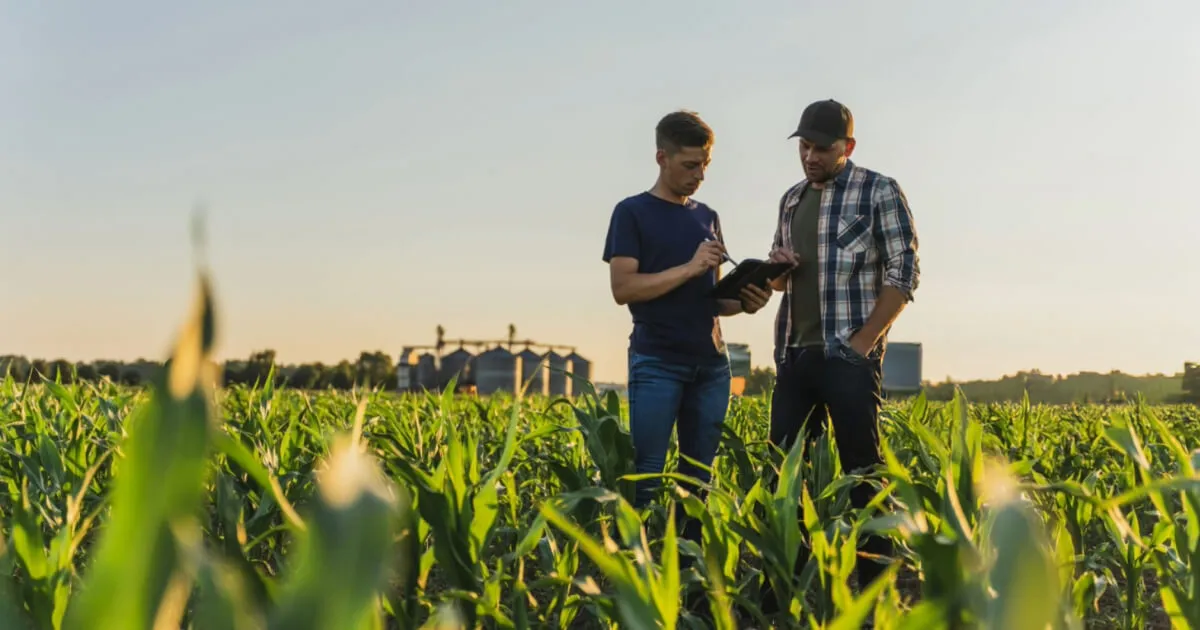
Under the subsidised policy from General Asigurări you can insure field crops, perennial plantations, vineyards and vegetables — against drought, hail, frost and other weather risks. The state usually covers 70% of the premium through AIPA, and you pay only your own share — 30%. See the agricultural insurance page for details.
Financial protection for your harvest
Moldova's agricultural sector is increasingly exposed to extreme weather: prolonged droughts, hail, unexpected frosts. The subsidised crop-yield policy helps producers keep their financial stability and business continuity, even in a difficult agricultural year.
How the state subsidy works
Through this product, farmers get government support: the state usually subsidises 70% of the insurance premium through the Agency for Intervention and Payments in Agriculture (AIPA), and the producer pays only their own share — 30%. The subsidy funds come from the National Fund for Agricultural and Rural Development the government regularly confirms that this share of support is maintained.
The mechanism is simple: you pay your part of the premium (30%) when you sign the contract, and AIPA transfers the state's share (70%) directly to the insurer's account — you don't have to apply for or administer the subsidy yourself.
Which crops can be insured
You can insure any agricultural crop correctly declared in the policy, contract and its annexes, provided it's on the list of crops eligible for subsidy, approved annually by government decision.
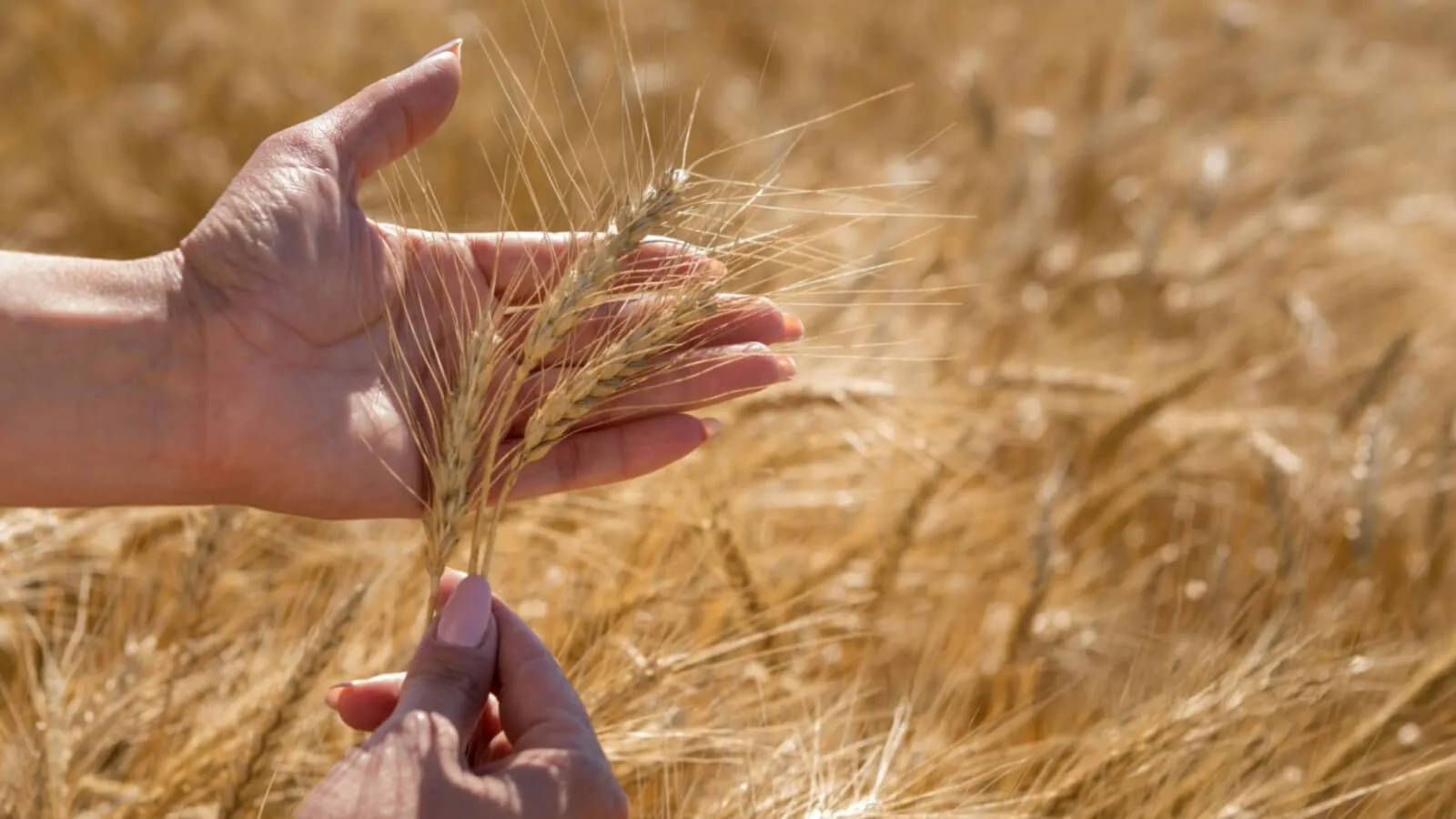
In practice, most subsidised insurance applications in Moldova cover:
- Field crops. Wheat, maize, sunflower, rapeseed, barley, oats, flax, sugar beet and other cereal or technical crops.
- Perennial plantations. Orchards of apple, plum, sweet cherry, sour cherry, apricot, peach, pear, walnut, nectarine, as well as vineyards.
- Vegetables. Tomatoes, peppers, aubergines and other field-grown vegetable crops.
Important: the final list of subsidised crops is set annually by the authorities. Confirm with a General Asigurări consultant whether your crop is on the current list before you sign the policy.
Which weather risks the policy covers
The subsidised policy protects the producer's financial interest against quantity losses caused by the main adverse weather events: excessive drought, hail, floods and torrential rain, winter frost and late spring frost (where applicable), and lodging or damage to crops from wind. Fire damage to cereal crops and locust infestation can be added on request. Compensation is calculated based on the insured sum, the yield actually obtained and the deductible set in the contract.
What isn't covered
- reduced crop quality, price fluctuations or losses after processing and storage;
- damage from risks not included in the policy or from agrotechnical work not carried out;
- events that occurred before cover started or during a suspension of the contract;
- intentional acts, war, terrorism, radioactive or chemical contamination;
- risks, crops or areas not stated in the policy.
What's expected of you as the policyholder
When you sign the policy, you correctly declare the crops, areas and risks you want insured and provide the documents needed for the subsidy file. During the agricultural year, you carry out the necessary agrotechnical work and take reasonable steps to prevent or limit damage. If an insured event occurs, you notify the insurer in writing within 48 hours, keep the affected crops in their damaged state until they're assessed, and allow the evaluation commission to inspect them. At the end, you provide documents on the yield actually obtained, harvesting, storage and sale — these confirm the real size of the loss.
When cover starts and ends
The contract is signed for one agricultural year. Cover starts at 00:00 on the day after the premium or first instalment is paid, but not before the date stated in the policy, and ends when harvesting is complete, on the date stated in the policy, or when the insured sum is exhausted through paid compensation.
Other agricultural cover for your farm

Besides crop insurance, General Asigurări also offers voluntary insurance for agricultural machinery and equipment — for damage from accidents, fire, natural disasters or theft — and subsidised insurance for farm animals, which covers the death or forced slaughter of identified animals, including from disease, natural disasters or accidents. As with crop insurance, the state usually subsidises 70% of the premium for animals too, and the producer pays their own share of 30%. If you run a mixed farm, it's worth looking at all three products together with a General Asigurări consultant.
Frequently asked questions
1. Can I insure a crop that isn't on the subsidised list?
Yes, you can still take out the policy, but without the state subsidy — in that case you pay the full premium yourself.
2. Does the list of subsidised crops change every year?
Yes, the final list is approved annually by government decision, so it's worth checking before signing a contract for a new agricultural year.
3. How quickly does the AIPA compensation arrive?
The state's share (70%) is transferred by AIPA directly to the insurance company — you don't need to separately request or administer this part, you just pay your own share (30%) of the premium.
4. What happens if the crop is damaged by a risk that isn't in the policy?
That case isn't covered — which is why it matters to clearly define, in advance, all the crops and risks you want insured in the contract.
Final recommendations
- choose a policy that clearly states the insured crops and risks;
- check the compensation limits and any minimum thresholds for each risk;
- work with the insurer and the subsidy institutions so subsidised premiums are correctly requested and received.
Request a quote for your farm or request a consultation — General Asigurări specialists can help you decide which crops and risks belong in your policy.
Recent articles
Similar articles

OCTOBER 01, 2026
Types of Insurance in Moldova: What Is Mandatory and What You Actually Need
See which types of insurance exist in Moldova and which one fits you: compulsory and voluntary, for cars, travel, health, home and business.

OCTOBER 12, 2026
What MTPL Insurance Covers and What It Does Not
MTPL pays third parties for damage you cause, not your own car. Legal limits, exclusions and 6 concrete situations — who gets paid and who does not.

OCTOBER 08, 2026
Personal Account: Keep All Your Insurance Under Control
Add family members, vehicles and companies once, get reminders before policies expire, and renew any insurance policy online in minutes.